
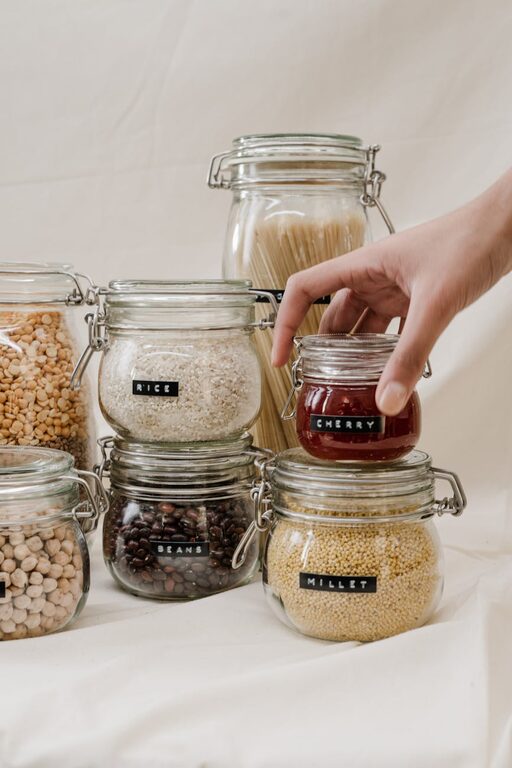
Planning meals from pantry staples is a smart way to save time, reduce food waste, and create delicious dishes without a last-minute grocery run. Your pantry likely holds a variety of ingredients that can be combined in creative and satisfying ways. In this post, we’ll explore practical strategies to plan meals using what’s already in your cupboards, making cooking less stressful and more enjoyable.
Why Plan Meals Around Pantry Staples?
Before diving into meal planning, it’s helpful to understand why focusing on pantry staples can be beneficial:
– Convenience: Having meals based on pantry ingredients means you can often cook without an urgent trip to the store.
– Cost-effective: You use what you already have, reducing impulse buys and food wastage.
– Versatility: Staples like canned beans, rice, pasta, and spices can form the base for countless recipes.
– Efficiency: Planning meals around pantry items keeps your grocery list simple and targeted.
Step 1: Take Inventory of Your Pantry
The first step is to know exactly what you have. Take a few minutes to:
– List all dry goods: Rice, pasta, flour, oats, beans, lentils, canned goods, nuts, and seeds.
– Note spices and condiments: Soy sauce, vinegar, oils, canned tomatoes, broth, and seasoning blends.
– Check for perishable pantry items: Some staples like onions, garlic, or potatoes are often stored in a cool, dry place.
Tips for Inventorying
– Organize items by category for easy review.
– Check expiration dates and note what needs to be used soon.
– Consider grouping staples by type of cuisine they suit (e.g., Italian, Mexican, Asian).
Step 2: Identify Meal Foundations
Pantry staples usually serve as the foundation for your meals. Common meal bases include:
– Grains: Rice, pasta, couscous, quinoa.
– Legumes: Beans, lentils, chickpeas.
– Canned goods: Tomatoes, coconut milk, broth.
– Flavor enhancers: Spices, herbs, sauces.
Think about meals that revolve around these ingredients, such as pasta with tomato sauce, lentil stew, or rice and beans.
Step 3: Choose Your Proteins
Proteins can come from your pantry staples or can be fresh/frozen items you have on hand. Some pantry-friendly proteins:
– Canned beans (black beans, kidney beans, chickpeas)
– Lentils
– Canned tuna or salmon
– Nut butters (for sauces or dressings)
– Nuts and seeds (to add crunch and nutrition)
Combine these proteins with grains and vegetables for balanced meals.
Step 4: Add Vegetables — Fresh, Frozen, or Canned
Vegetables add flavor, texture, and nutrition. If you don’t have fresh veggies, frozen or canned options work well and keep longer.
– Frozen peas, corn, spinach, or mixed veggies can easily be added to soups, stews, and pasta.
– Canned vegetables like artichokes, mushrooms, or green beans also make great additions.
– Fresh onions, garlic, and root vegetables stored in a cool place can elevate your dishes.
Step 5: Plan Simple Meal Ideas
Here are some easy meal ideas using common pantry staples to inspire your weekly plan:
1. One-Pot Pasta with Tomato Sauce
– Pasta cooked directly in canned tomatoes, broth, garlic, and onions.
– Add canned beans or tuna for protein.
– Season with dried Italian herbs and a drizzle of olive oil.
2. Rice and Bean Bowls
– Cook rice and top with seasoned black beans or chickpeas.
– Add a dollop of salsa or canned corn.
– Sprinkle with nuts or seeds for texture.
3. Lentil Soup
– Simmer lentils in vegetable broth with canned tomatoes, garlic, and spices.
– Stir in frozen spinach or carrots for extra nutrition.
– Serve with crusty bread.
4. Chickpea Curry
– Use canned chickpeas with coconut milk and curry powder.
– Add canned diced tomatoes and frozen peas.
– Serve over rice or with flatbread.
5. Stir-Fried Noodles
– Cook noodles and stir fry with garlic, soy sauce, canned mushrooms, and any frozen veggies.
– Sprinkle with sesame seeds or chopped nuts.
Step 6: Build Your Weekly Meal Plan
Now that you have ideas, create a weekly plan:
– Pick 3-5 dinners using pantry staples.
– Add lunch ideas like leftovers, sandwiches, or simple salads.
– Make a grocery list for fresh items needed, focusing on perishables like vegetables and fruits.
Sample Weekly Plan
| Day | Meal |
|———–|———————————|
| Monday | One-Pot Pasta with Tomato Sauce |
| Tuesday | Lentil Soup |
| Wednesday | Rice and Bean Bowls |
| Thursday | Chickpea Curry |
| Friday | Stir-Fried Noodles |
Step 7: Tips for Success
– Rotate your pantry: Use older ingredients first.
– Stock up wisely: Buy pantry staples that suit your cooking style and favorite cuisines.
– Prep in advance: Soak beans or lentils ahead of time if using dried versions.
– Experiment: Mix spices and sauces to keep meals interesting.
– Keep it simple: Focus on wholesome flavor combinations rather than complex recipes.
Conclusion
Planning meals from pantry staples is a wonderful way to make cooking easier, budget-friendly, and less wasteful. With a little preparation and creativity, you can turn everyday ingredients into satisfying meals for you and your family. Start by knowing your pantry, combining basic ingredients with proteins and vegetables, and enjoy the freedom of flexible, tasty cooking.
Happy cooking!